
Cancer is personal for us — and a cancer genome atlas from Africa can save the world: Why We Invested in Yemaachi
Two months before I was born, my grandmother passed away from cancer before she was 55 years old. I got to hear her voice and feel her hands in utero, but I still feel her loss. Fast forward some decades later – I was diagnosed with an aggressive but treatable form of breast cancer. I experienced the challenges accessing cutting edge care and treatments in Africa and the limited data from Black research participants in cancer studies. Throughout my cancer journey so many people commented that I was “so young”. In reality, more people die from cancer than malaria each year in Africa and cancer is hitting Black people earlier and more aggressively across cancer types.
Africa is the birthplace of civilisation which means Africans are genetically linked to all humans. Transforming diagnostics and therapeutics for cancer care requires African representation in research and studies – but most pharmaceutical companies have overlooked the continent, or have undervalued the potential contribution to global cancer cures. There is a persistent disparity in the medical field in part due to racial biases. This disparity underscores the need for solutions that are born of a deep understanding, sincere desire for change, and cultural competence.
Yemaachi is a biotechnology company that aims to leverage Africa’s unrivalled genetic diversity to develop novel diagnostic and therapeutic targets for cancer that work uniformly irrespective of genetic background. Yemaachi represents the future of precision cancer diagnostics and therapeutics. It hopes to bridge the gap and address the disparities in healthcare outcomes on the continent and beyond.
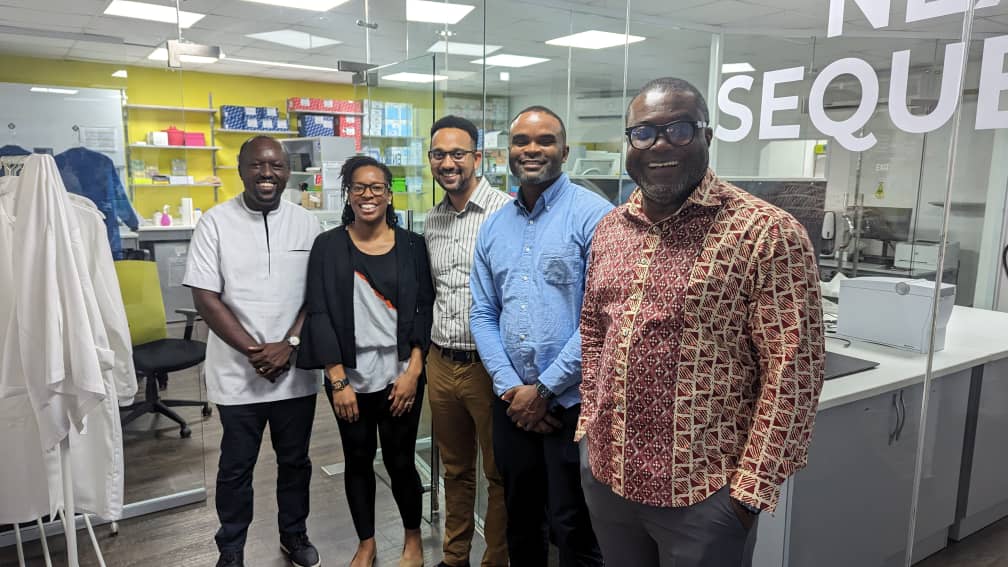
About 18 months after my cancer was cured, I first met Yaw Bediako, Ph.D., and Yaw Attua-Afari before meeting Joyce Ngoi and David Hutchful, the Yemaachi founding team. I was deeply impressed with their mission and vision, and this was before they were selected to go through the Y Combinator accelerator program. The team is diverse and global with experience from institutions such as Francis Crick Institute, Howard, JKUAT, MIT, Northwestern Medical School, KEMRI, and the University of Iowa.
I did some initial research speaking with my sister (who worked at the Koch Institute for Integrative Cancer Research at MIT and is a Ph.D. material scientist and MIT-trained chemist), a Bay Area biotech founder friend of mine, and renowned oncologists that were involved with cancer genome research. The verdict was that there is something “there”.
Through their innovative model, Yemaachi sequences genomic samples from across Africa. It then optimizes existing diagnostic tests, identifies new biomarkers and establishes never before noticed patterns in previously identified biomarkers using AI tools to speed the research / analytics. Yemaachi's founders understood that a partnership strategy would be critical–and it stood out to us as an intelligent way to extend their impact and establish a niche. They've already partnered with clinicians, hospitals, and biotech firms locally and internationally, and have developed relationships for future collaboration. Since our investment, Yemaachi launched the African Cancer Research Network (AfriCAN), a first-of-its-kind network to connect clinicians, researchers, and leaders in oncology to promote collaboration and research excellence.
On the business side, Yemaachi’s model encompasses various revenue streams, from diagnostic services and an informatics offering. The strategic focus on revenue diversification also appealed to us along with the potential to be the Africa research engine for global pharmaceutical companies.
Given the limited representation of African genomes in biotech and big pharma research, therapies are often not tailored to specific genetic makeups whether in Africa or globally. One anecdote from Yaw Bediako’s lecture at the Koch Institute last year was about a woman in rural Ghana in a research study led by Yemaachi who had a unique biomarker in her tumour. The biomarker had only been documented once in a tumour from a woman in Northern Europe, far away from Ghana.
Yemaachi's drive to address this gap and develop more accurate diagnostics and therapeutics aligns perfectly with our ethos of supporting businesses that strive for global health equity. We have also worked closely with the founding team since investing including strategy sessions, road shows, and jointly hosted events.

Since investing in Yemaachi, more friends and family members have been diagnosed with cancer. While cancer is not necessarily a death sentence, it is critical to diagnose cancer early and to treat it to improve quality of life. This investment is personal to us and we believe deeply that a cancer genome atlas from Africa and by Yemaachi will identify targets that will save the world.